The Regional Government of Atacama has unveiled an updated territorial information platform that becomes a key resource for public management, evidence-based planning, and open access to updated regional data.
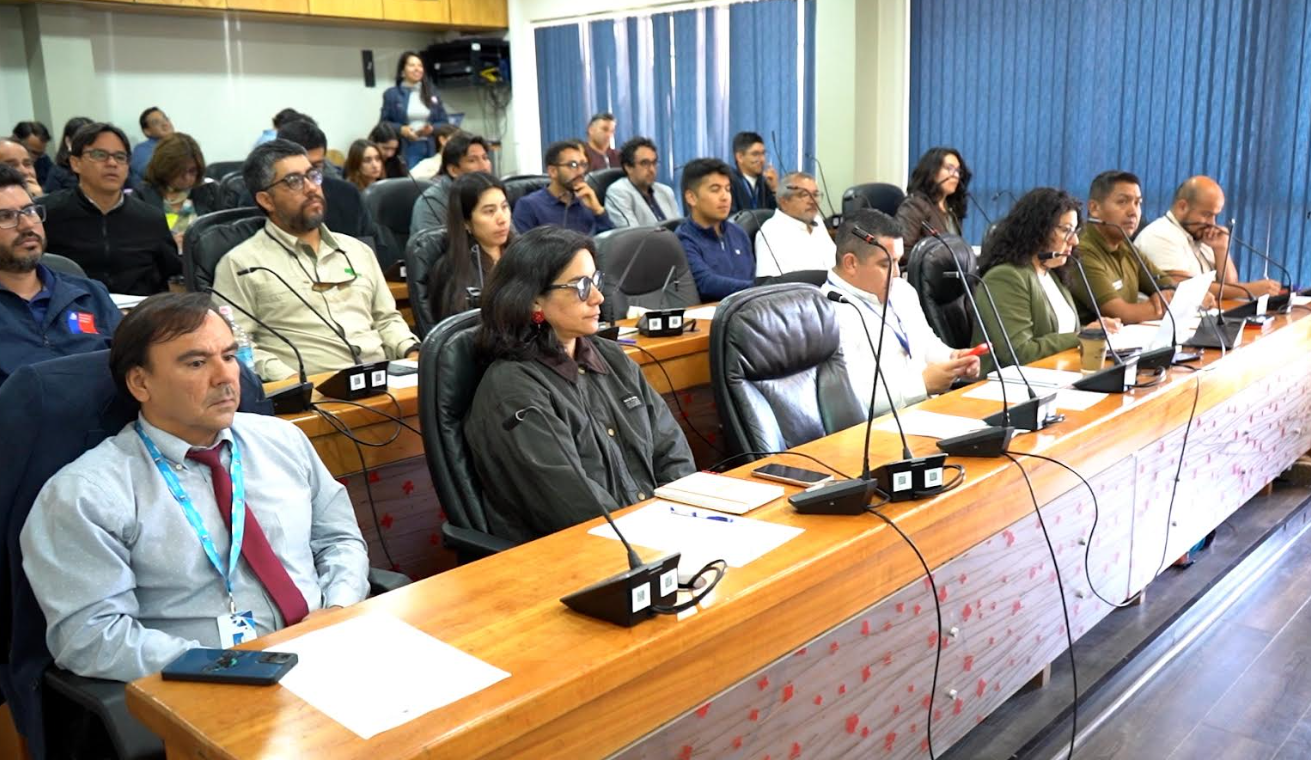
As part of the National Territorial Information Coordination System (SNIT), the RESISTE-A System Seminar was held alongside the Second Annual Meeting of the Regional SNIT Board. These events brought together public agencies, municipalities, and specialists to present major advances in geographic information and technological tools for the region.
After 16 months of development, the new Regional Geoportal was officially launched. The platform was created by the Hémera Center for Earth Observation, the Cybersecurity Research Center (CIC), and the School of Forest Engineering at Universidad Mayor. It integrates more than 89 layers of social, environmental, economic, and territorial information, featuring interactive maps, filters, search tools, and downloadable datasets at both the communal and regional levels. This modernized system enhances public access to information and supports informed decision-making across institutions and communities.
During the event, the Regional Government also presented the 2025 management report of the Regional SNIT Board, highlighting efforts to strengthen municipal capacities in Geographic Information Systems (GIS). As part of this initiative, ArcGIS Online licenses were delivered to all municipalities in Atacama, along with recognition for those that actively participated in the year’s training sessions. This investment will enable more precise territorial analyses and improve local government planning processes.
Alejandro Escudero, Head of the Regional Planning and Development Directorate (DIPLADE), emphasized that the Geoportal is designed to support strategic decisions, such as regional investment and infrastructure planning. From the municipal perspective, Marcela Araya from the Municipality of Vallenar highlighted the importance of having updated information to design effective public policies grounded in evidence.
Waldo Pérez, Director of the Hémera Center, noted that this updated Geoportal is more modern, flexible, and accessible, allowing decision-makers to work with territorial, social, economic, and environmental variables across different scales.
The technological enhancements and GIS license distribution mark an important step toward enabling the municipalities of Atacama to develop their own geoportals. These tools will strengthen territorial planning, optimize public service management, and promote transparency and open data for local communities.